


Analyzing Soil Liquefaction: Causes and Solutions

Soil liquefaction sounds like something out of a sci-fi movie, right? Like the ground suddenly turning into a giant bowl of jelly. But nope, it’s very real, and it’s a nightmare for anyone who cares about the safety and stability of their land. Especially when you’re trying to protect precious parklands like Burswood Peninsula from being turned into a racetrack. So, buckle up as we dive into the wild world of soil stability analysis, unpack the causes of soil liquefaction, and explore some practical solutions to keep our ground firm and our parks safe.
What Exactly Is Soil Liquefaction?
Imagine you’re walking on a sandy beach, and suddenly the sand beneath your feet feels like it’s giving way, almost like quicksand. That’s soil liquefaction in action. It happens when saturated soil loses its strength and stiffness due to sudden shaking or stress, often caused by earthquakes or heavy vibrations. The soil behaves more like a liquid than a solid, which can cause buildings to tilt, roads to crack, and landscapes to shift dramatically.
This phenomenon is a big deal because it can turn stable ground into a hazard zone in seconds. And if you’re planning to build something heavy, like a racetrack, on such soil, you’re basically asking for trouble.
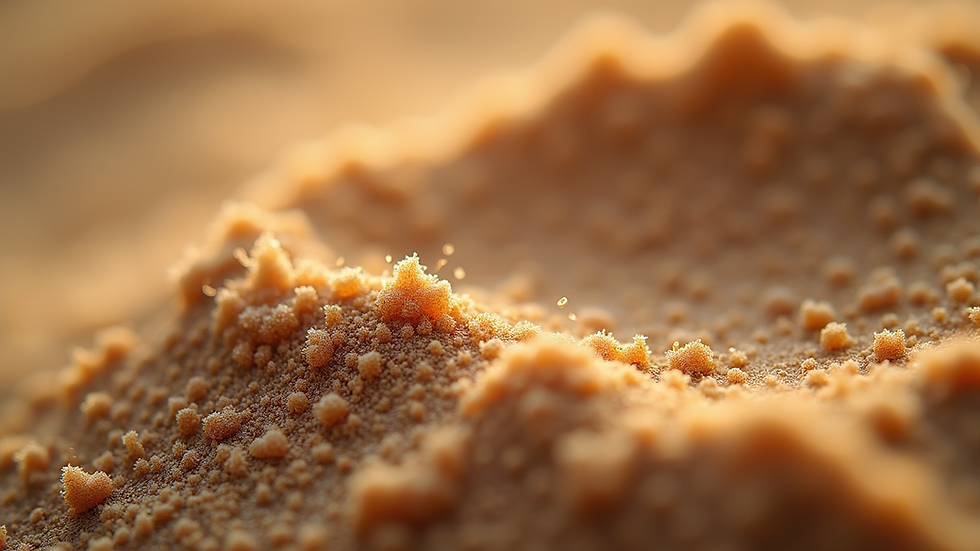
Close-up view of sandy soil particles showing loose structure
Soil Stability Analysis: Why It Matters More Than You Think
Now, you might be wondering, “Why all the fuss about soil stability analysis?” Well, it’s the unsung hero of construction and environmental protection. Soil stability analysis is the process of examining soil properties to determine how it will behave under different conditions. It’s like giving the soil a thorough health check-up before letting any big projects stomp all over it.
For places like Burswood Peninsula, where the government wants to slap down a V8 Supercars race track, soil stability analysis is crucial. It helps identify areas prone to liquefaction and other issues, ensuring that any development doesn’t turn the park into a disaster zone. Plus, it’s a handy tool for environmental advocates to argue against projects that could cause irreversible damage.
Here’s what soil stability analysis typically looks at:
Soil type and composition
Water content and saturation levels
Soil density and compaction
Historical data on seismic activity
Load-bearing capacity
By understanding these factors, planners can predict how the soil will react to stress and whether it’s safe to build on.

Eye-level view of soil testing equipment setup for stability analysis
The Root Causes of Soil Liquefaction
Soil liquefaction doesn’t just happen because the soil feels like it. It’s a perfect storm of conditions coming together. Let’s break down the main culprits:
1. Saturated Loose Soil
Think of soil as a sponge. When it’s dry, it’s firm and holds its shape. But when it’s soaked with water, especially if it’s loose sand or silt, it becomes unstable. The water fills the gaps between soil particles, and when shaken, the particles lose contact with each other, causing the soil to behave like a liquid.
2. Earthquakes and Vibrations
The big bad wolf in this story is seismic activity. Earthquakes shake the ground, increasing water pressure in the soil and reducing its strength. Even man-made vibrations, like heavy machinery or traffic, can trigger liquefaction in vulnerable soils.
3. Poor Drainage
If water can’t escape the soil, it builds up pressure. Poor drainage systems or natural waterlogging can create the perfect conditions for liquefaction.
4. Human Activity
Construction, excavation, and changes in land use can disturb the soil structure and water balance, making liquefaction more likely.
Understanding these causes is the first step in preventing soil liquefaction disasters. It’s like knowing your enemy before going into battle.
Soil Liquefaction Analysis: A Closer Look
If you want to get serious about protecting a site, you need a proper soil liquefaction analysis. This isn’t just a fancy term to throw around at meetings. It’s a detailed investigation that combines field tests, lab experiments, and computer models to predict how soil will behave under stress.
Some common methods include:
Standard Penetration Test (SPT): Measures soil resistance to penetration, giving clues about density and strength.
Cone Penetration Test (CPT): Provides continuous soil profile data, including soil type and strength.
Shear Wave Velocity Testing: Assesses soil stiffness and helps estimate liquefaction potential.
Laboratory Soil Testing: Analyzes soil samples for grain size, density, and water content.
The results help engineers design foundations that can withstand or mitigate liquefaction effects. For environmental advocates, these analyses provide hard evidence to challenge risky developments.

High angle view of engineers performing soil testing in a park area
Practical Solutions to Combat Soil Liquefaction
So, what can be done to stop the ground from turning into a wobbly mess? Here are some tried-and-true solutions that engineers and planners use:
1. Soil Improvement Techniques
Compaction: Using heavy machinery to pack the soil tightly, reducing voids and water content.
Grouting: Injecting cement or chemical mixtures to bind soil particles together.
Drainage Systems: Installing drains to lower the water table and relieve pressure.
2. Foundation Design Adjustments
Deep Foundations: Piling foundations that reach stable soil layers below the liquefiable zone.
Floating Foundations: Structures designed to move with the soil without collapsing.
3. Land Use Planning
Sometimes, the best solution is to avoid building on risky soil altogether. Preserving parklands like Burswood Peninsula means respecting the natural soil conditions and steering clear of developments that could trigger liquefaction.
4. Monitoring and Early Warning Systems
Installing sensors to monitor soil movement and water pressure can provide early warnings, allowing for timely evacuations or interventions.
By combining these strategies, communities can protect their land and infrastructure from the nasty surprises of soil liquefaction.
Why Protecting Burswood Park Matters
Let’s get real for a moment. The Cook Labor Government’s plan to build a V8 Supercars race track on Burswood Peninsula isn’t just about racing cars. It’s about risking the stability of a beloved parkland, potentially triggering soil liquefaction and other environmental headaches.
The park is more than just green space - it’s a habitat, a community gathering spot, and a natural buffer against urban sprawl. Soil stability analysis shows that the area’s soil conditions might not be up to the task of supporting such a heavy, vibration-heavy development without serious risks.
So, when you hear about soil liquefaction analysis, think of it as the soil’s way of waving a red flag. It’s a call to protect what we have, not gamble it away for a racetrack that could turn the ground beneath us into a shaky mess.
If you want to dig deeper into the nitty-gritty of soil stability and liquefaction, or see how these analyses are shaping the fight to save Burswood Park, check out this detailed soil liquefaction analysis. It’s a treasure trove of info for anyone who cares about keeping our parks safe and sound.
So next time you stroll through a park or watch a construction site, remember - the ground beneath your feet has a story to tell. And sometimes, it’s shouting loud enough for us to listen.


Comments