

The Impact of Government Actions on Local Parks and Communities

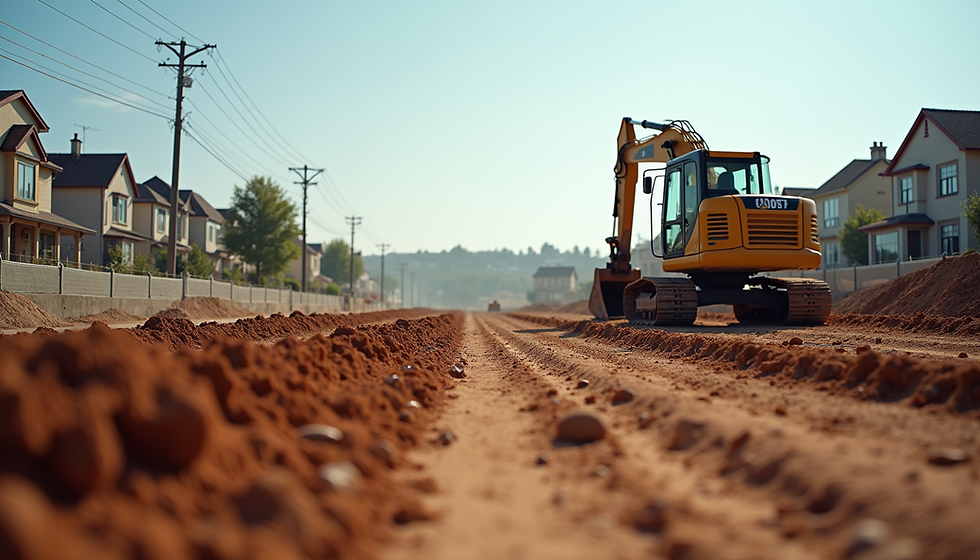
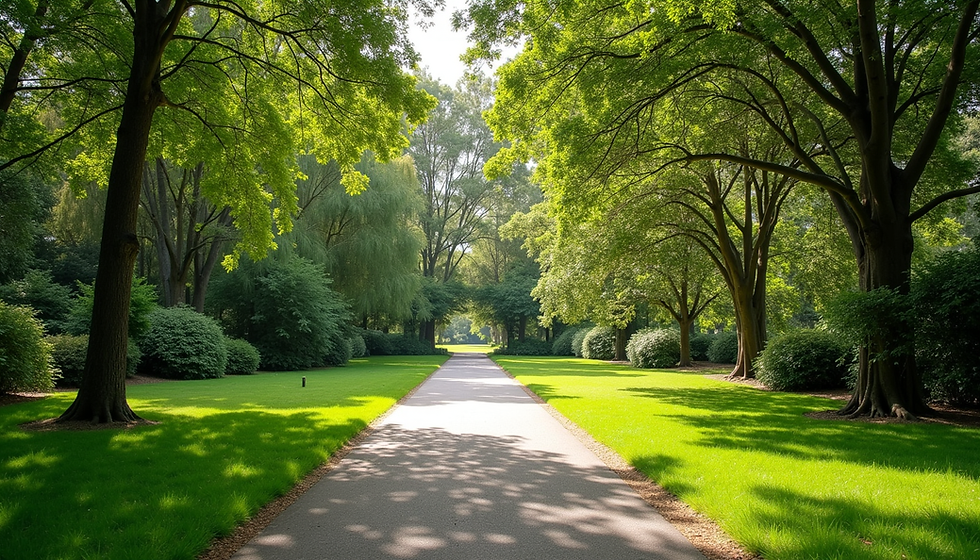
Local parks serve as vital green spaces that support community well-being, provide recreational opportunities, and preserve natural habitats. When the government begins to alter or remove these parks, the effects ripple through neighborhoods, affecting residents’ quality of life, local ecosystems, and social cohesion. Recently, the government has started ripping up a local park, sparking concern and debate about the consequences of such actions.

The Role of Local Parks in Communities
Local parks are more than just patches of green. They provide:
Physical health benefits: Parks encourage outdoor activities such as walking, jogging, and sports, which help reduce obesity and improve cardiovascular health.
Mental health support: Access to natural environments lowers stress, anxiety, and depression.
Social interaction: Parks act as gathering places where neighbors meet, children play, and community events take place.
Environmental benefits: Parks help improve air quality, reduce urban heat, and support biodiversity.
When a government decides to remove or significantly alter a park, these benefits are at risk.
Why Governments Might Remove or Alter Parks
Governments may have various reasons for ripping up a park, including:
Urban development: Building new housing, commercial centers, or infrastructure projects.
Budget constraints: Reducing maintenance costs by repurposing park land.
Safety concerns: Addressing issues like crime or hazardous conditions in the park.
Policy shifts: Changing priorities in land use planning.
While some reasons may be valid, the decision often lacks sufficient community input or consideration of long-term impacts.
Effects on Local Residents
Removing a park disrupts the daily lives of residents in several ways:
Loss of recreational space: Families and individuals lose a place for exercise and leisure.
Reduced property values: Studies show proximity to parks increases home values; losing a park can lower them.
Decreased social cohesion: Without a common space, neighbors may interact less, weakening community bonds.
Increased health risks: Fewer opportunities for outdoor activity can contribute to sedentary lifestyles.
For example, in a mid-sized city where a park was replaced by a parking lot, local residents reported feeling less connected and more stressed due to the loss of green space.
Environmental Consequences
Parks contribute to urban ecosystems by:
Absorbing rainwater and reducing flooding.
Providing habitats for birds, insects, and small mammals.
Filtering pollutants from the air.
When a park is removed, these environmental services disappear. This can lead to increased flooding, loss of wildlife, and poorer air quality. In some cases, the removal of trees and green cover contributes to the urban heat island effect, making neighborhoods hotter during summer months.
Community Response and Engagement
Communities often respond to park removal with protests, petitions, and calls for dialogue. Successful examples show that:
Early community involvement helps governments understand local needs.
Alternative solutions like redesigning rather than removing parks can address safety or development goals.
Partnerships with local organizations can lead to better park management and funding.
For instance, in one city, residents worked with officials to redesign a park to include safer lighting and new playground equipment instead of losing the park entirely.
Alternatives to Removing Parks
Governments can explore options that balance development and green space preservation:
Multi-use spaces: Combining parks with community gardens, markets, or event spaces.
Green infrastructure: Integrating parks into stormwater management or urban cooling projects.
Upgrading existing parks: Improving safety, accessibility, and amenities to increase use.
Land swaps: Acquiring other land to replace lost park space.
These approaches maintain the benefits parks provide while addressing government goals.
What Residents Can Do
Residents concerned about park removal can:
Attend public meetings and voice opinions.
Organize community groups to advocate for parks.
Propose alternative plans to local officials.
Use social media and local news to raise awareness.
Partner with environmental and recreational organizations.
Active community involvement often influences government decisions and leads to better outcomes.

Comments