

Balancing Nature and Progress: Environmental Preservation Strategies

Let’s face it: progress often feels like a runaway train barreling through the countryside, leaving a trail of concrete and chaos in its wake. But what if we could slow that train down just enough to let nature breathe? Balancing nature and progress isn’t just some far fetched dream—it’s a practical necessity, especially when local parks and green spaces are on the chopping block. Take Burswood Peninsula, for example. The plan to build a V8 Supercars race track there has sparked a fierce debate. How do we protect precious parkland while still embracing development? It’s not about choosing one over the other but finding a middle ground that respects both.
Why Environmental Preservation Strategies Matter More Than Ever
We all love a bit of progress. New roads, new buildings, new rail lines, higher density inner city living. But when progress bulldozes over green spaces, it’s like ripping the heart out of a community. Environmental preservation strategies are the toolkit we need to keep that from happening. These strategies help us protect biodiversity, maintain clean air and water, and preserve the mental and physical health benefits that parks and natural areas provide.
For instance, Burswood Park isn’t just a patch of grass; it’s a habitat for native birds, a recreational haven for families, and a natural buffer against urban heat. Losing it to a race track would mean more than just fewer picnic spots—it would disrupt ecosystems and degrade quality of life. So, what can we do? Here are some practical environmental preservation strategies that the State government should apply locally and beyond:
Community engagement: Involve locals in decision-making to ensure their voices are heard.
Impact assessments: Conduct thorough environmental impact studies before greenlighting projects.
Sustainable design: Incorporate green infrastructure like permeable pavements and native plantings.
Legal protections: Push for stronger laws that safeguard parks and natural reserves.
Alternative solutions: Explore options that meet development goals without sacrificing green spaces.
These aren’t just buzzwords—they’re actionable steps that can make a real difference.

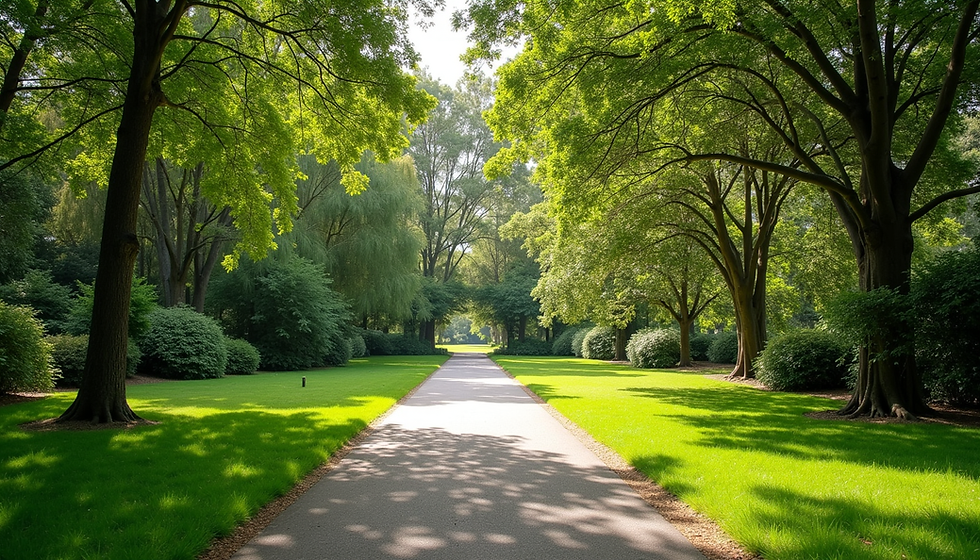
Burswood Park’s lush greenery offers a vital refuge amid urban development pressures.
Environmental Preservation Strategies in Action: Lessons from Burswood Peninsula
Let’s zoom in on Burswood Peninsula, where the Save Burswood Park Alliance is rallying to protect the park from the proposed race track. This isn’t just about saving a park; it’s about standing up for environmental preservation strategies that work. The Alliance has highlighted several key points that anyone interested in balancing nature and progress should consider:
Highlighting impracticality: The race track plan ignores the park’s existing uses and environmental value.
Raising awareness: Mobilising community members to voice concerns and participate in consultations.
Presenting alternatives: Suggesting other locations or development ideas that don’t sacrifice green space.
Leveraging media: Using social media and local news to keep the issue in the public eye.
Engaging policymakers: Pressuring the Cook Labor Government to reconsider or revise plans.
This grassroots approach shows how environmental preservation strategies can be more than just theory—they can be a powerful force for change. It’s a reminder that progress doesn’t have to steamroll over nature; it can coexist with it if we’re willing to get creative and persistent.

The open space at Burswood Park underscores the importance of conservation and community involvement. This was planned as the site of an urban forest.
The Art of Compromise: Can Progress and Nature Really Coexist?
Here’s the 217.5 million-dollar question: can we really have our cake and eat it too? Can we build new infrastructure without turning every green patch into a parking lot? The answer is yes, but it requires a mindset shift and some clever planning.
Think of it like a dance—sometimes you lead, sometimes you follow, but you never step on each other’s toes. Developers and environmentalists need to find that rhythm. Here are some ways to make that happen:
Mixed-use development: Combine green spaces with urban amenities to create vibrant, livable areas.
Green corridors: Design pathways that connect parks and natural habitats, allowing wildlife to thrive.
Low-impact construction: Use materials and methods that minimize environmental damage.
Community benefits agreements: Ensure developments include commitments to preserve or enhance local green spaces.
Ongoing monitoring: Track environmental impacts post-construction to make adjustments as needed.
It’s not always easy, and yes, sometimes it feels like herding cats. But when done right, the result is a win-win: communities get the amenities they want, and nature gets the respect it deserves.
Why Local Voices Are the Secret Sauce in Environmental Preservation
If you think environmental preservation is just about scientists and policymakers, think again. The real magic happens when local community members step up. After all, who knows a place better than the people who live there? Their insights, passion, and persistence can tip the scales.
Take the Save Burswood Park Alliance again. Their success hinges on mobilising locals who care deeply about their park. They organise picnics, host info sessions, and flood social media with facts and photos. This grassroots energy is what keeps environmental preservation strategies grounded and effective.
So, how can you get involved in your own backyard?
Attend local council meetings: Speak up or just listen to what’s being planned.
Join or start a community group: There’s strength in numbers.
Educate yourself and others: Knowledge is power, and sharing it multiplies that power.
Support local environmental campaigns: Even small donations to the Go Fund me account or social shares help.
Practice what you preach: Reduce your own environmental footprint to set an example.
Remember, progress without preservation is like a car without brakes—eventually, it’s going to crash.
Looking Ahead: Crafting a Future Where Nature and Progress Walk Hand in Hand
So, what’s the takeaway? Balancing nature and progress isn’t about halting development or turning back the clock. It’s about smart, thoughtful choices that respect the environment while embracing growth. The Save Burswood Park Alliance’s fight is a microcosm of a global challenge, and their approach offers a blueprint for others.
By championing environmental preservation strategies, we can ensure that parks like Burswood Peninsula remain green lungs for our cities, places where kids can play, birds can sing, and communities can gather. And yes, maybe even places where the roar of a race car is replaced by the rustle of leaves.
If you want to dive deeper into how to protect your local environment while supporting sensible progress, check out The Save Burswood Park Alliance for resources and ways to get involved.
In the end, it’s about balance. Because without nature, progress is just a fancy word for loss.
Keep the conversation going, stay curious, and remember: sometimes the best progress is the kind that lets nature lead the way.

Comments